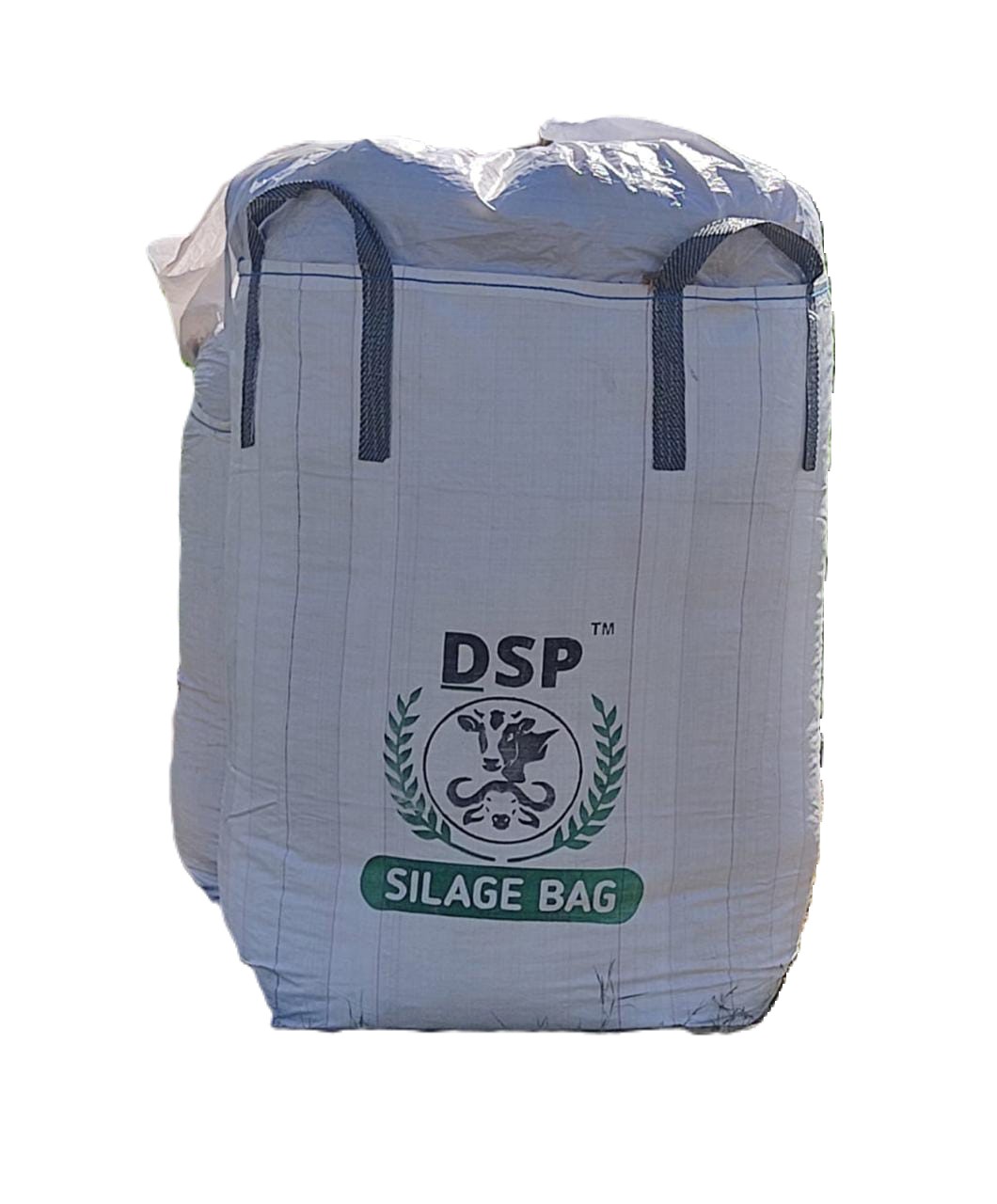
silage bag 5 ton About
-
Preserving quality
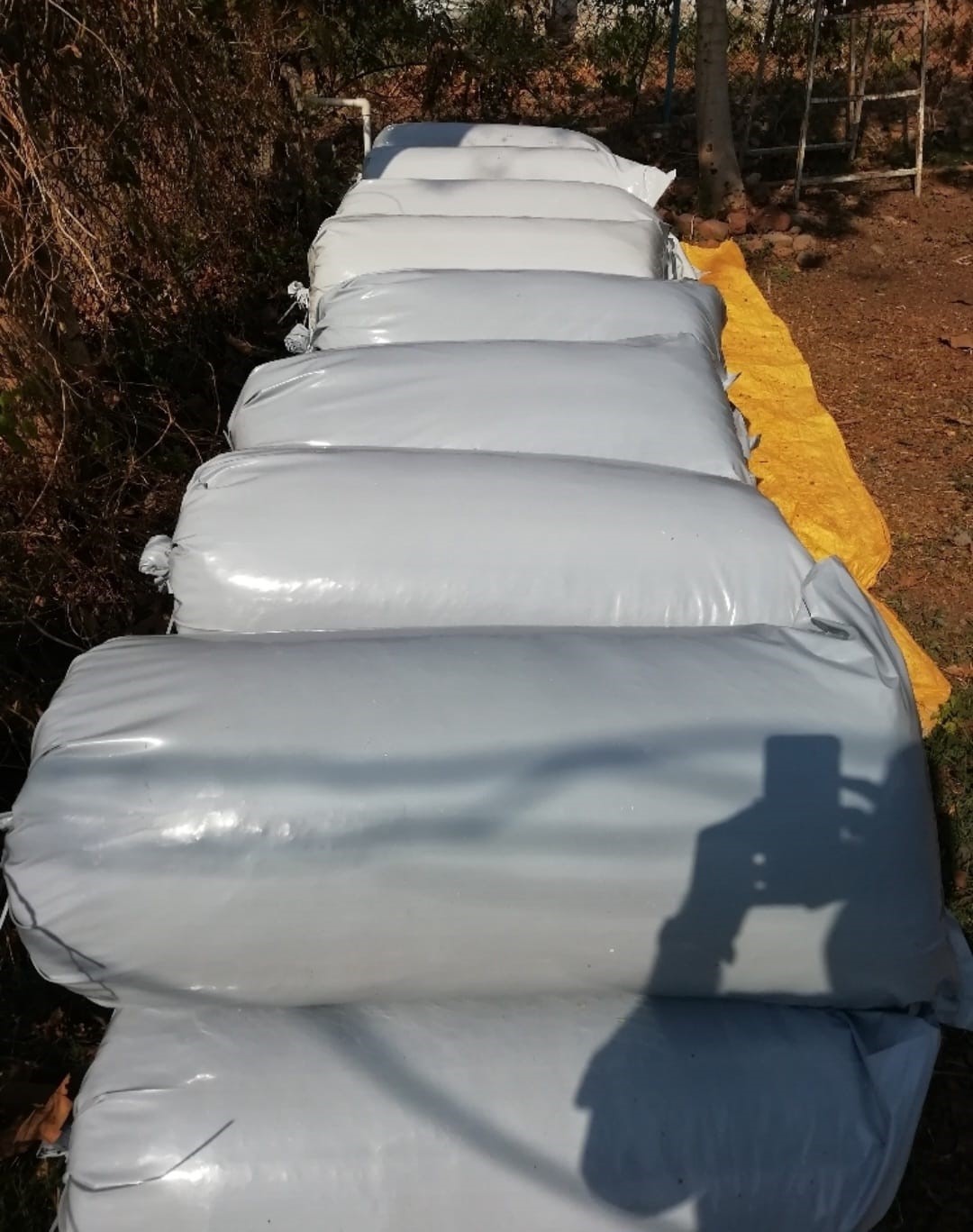
Silage bags are airtight, which keeps moisture out and prevents mold growth. This helps maintain the quality of the grain and silage.
-
Protecting from pests
The airtight seal prevents the development of fungus and insects.
-
Efficient space
Silage bags are compact and take up less space than traditional bags. This makes them ideal for farms with limited storage space.
-
Versatile
Silage bags can store many types of silage, including haylage, maize, or grass.
-
Cost-effective
Silage bags have lower initial investment costs and low annual storage costs.
-
Modular
Bagged silage is a modular storage system that allows you to store as much or as little as you need.
-
Reusable
Some silage bags are designed to be re-used multiple times before recycling.
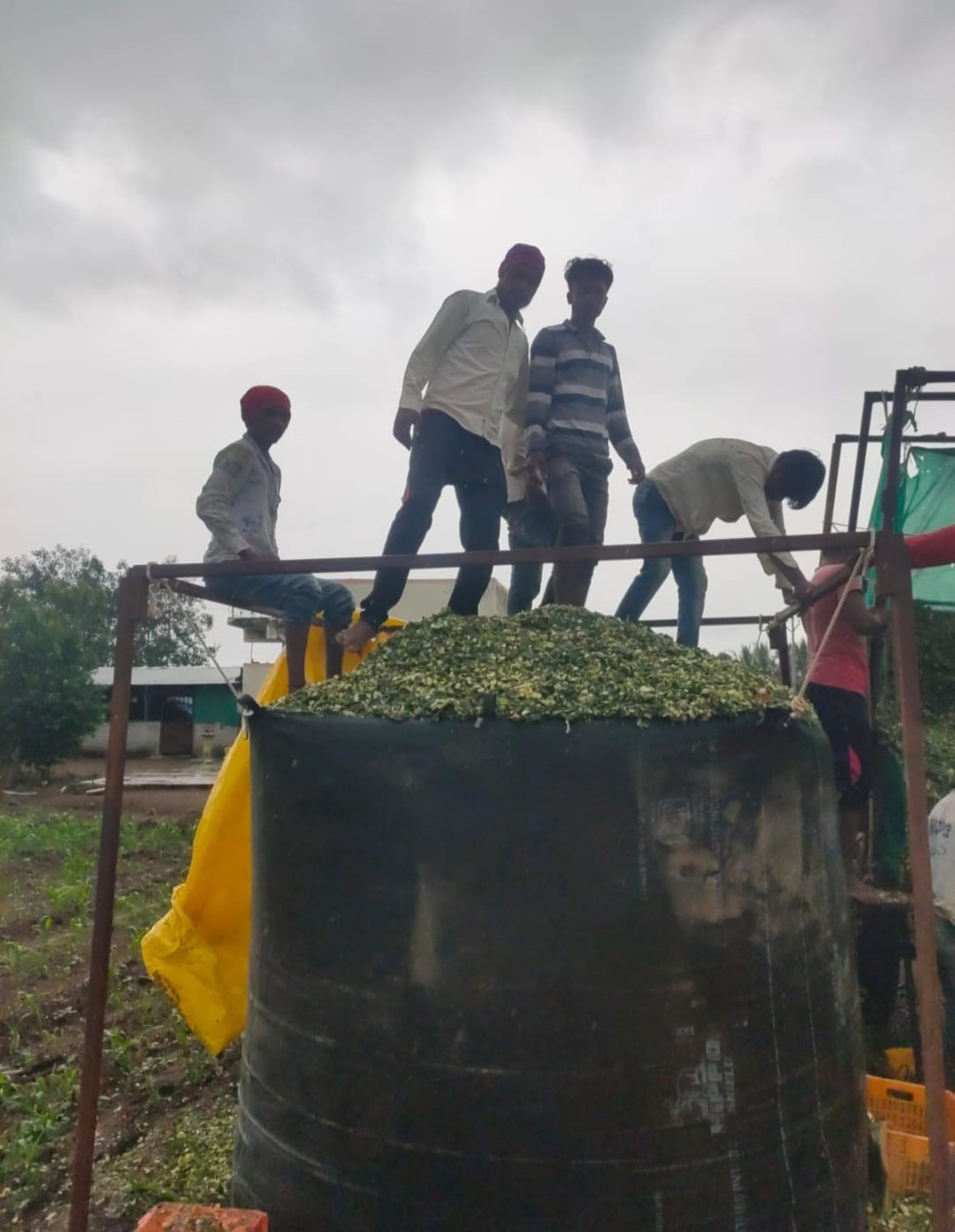
Silage is a high-energy source for animals such as cows. The process of silaging preserves the nutrients in the crop, which helps keep cattle and sheep healthy and strong.
Exceptional Durability and ProtectionOur 5-ton silage bags are designed to withstand rigorous farm environments. With high tensile strength, excellent puncture resistance, and a UV-stabilized surface, these bags prevent tears and block harmful sunlight, ensuring preserved fodder stays fresh. The superior moisture barrier keeps out rain and oxygen, safeguarding the nutritional quality even under harsh weather conditions.
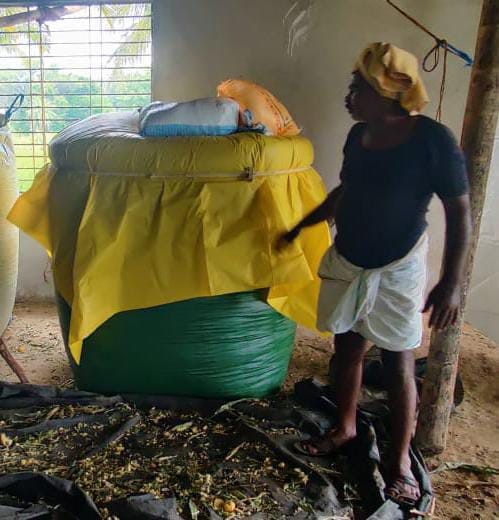
Flexible and User-Friendly ApplicationsThe silage bags can be loaded effortlessly using silage baggers or manually. Their large, flexible structure adapts to diverse storage requirements, while customizable sizes and colors meet specific needs. Easy sealing-either heat-sealed or manual-guarantees secure closure, making storage and transport efficient for farmers and distributors alike.
Cost-Effective and Eco-Friendly Storage SolutionManufactured from recyclable PE material, these silage bags offer an environmentally responsible choice for animal fodder storage. Their reusability, low maintenance, and ability to preserve fodder quality translate to significant savings, reducing overall costs for farmers while minimizing ecological impact.
FAQ's of silage bag 5 ton:
Q: How do I load and seal a 5-ton silage bag?
A: Silage bags can be loaded either manually or with the help of a silage bagging machine. After filling, you can secure the bag using heat sealing for maximum airtightness, or use manual sealing methods if equipment is unavailable.
Q: What materials are used in the construction of the silage bag?
A: The 5-ton silage bag is made from high-strength polyethylene (PE), offering robust puncture resistance and durability. The film typically ranges from 180 to 250 microns thick and is UV-stabilized for outdoor resilience.
Q: Where can these silage bags be utilized effectively?
A: These bags are ideal for farms, dairy facilities, and agricultural storage units where preservation and easy transport of animal fodder, silage, haylage, or green fodder are required. Their flexible design suits various farm layouts and storage needs.
Q: What benefits does using a 5-ton silage bag offer over traditional silage storage methods?
A: Compared to conventional storage, silage bags are cost-effective, easy to transport, adaptable in size, and provide superior protection against weather, moisture, and oxygen-ensuring fodder stays nutritious and fresh.
Q: When is the best time to use a silage bag for storage?
A: Silage bags are best used right after harvesting and compacting fodder. Immediate storage in airtight conditions optimally preserves the nutritional value and prevents spoilage, especially during peak harvesting seasons.
Q: What is the expected lifespan of a 5-ton silage bag under typical Indian environmental conditions?
A: With UV stabilization and weather resistance, these bags usually last 1-2 years. However, lifespan may vary based on exposure to sunlight, handling, and maintenance practices.
Q: Are silage bags environmentally friendly and recyclable?
A: Yes, silage bags are manufactured from recyclable polyethylene (PE), making them eco-friendly. After use, the material can be processed for recycling, minimizing environmental impact.





 Send Inquiry


 Send Inquiry
 Send Inquiry
 Send SMS